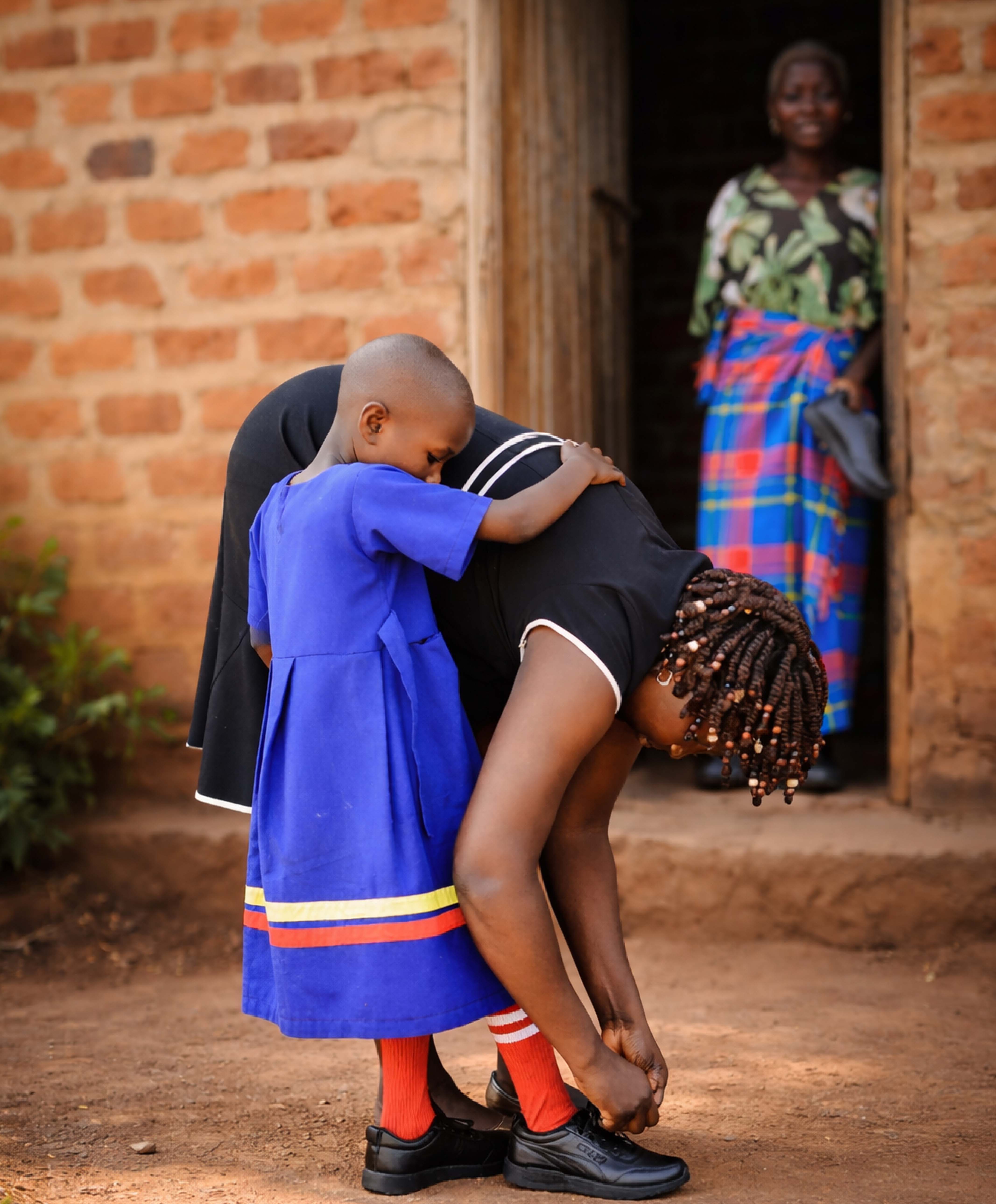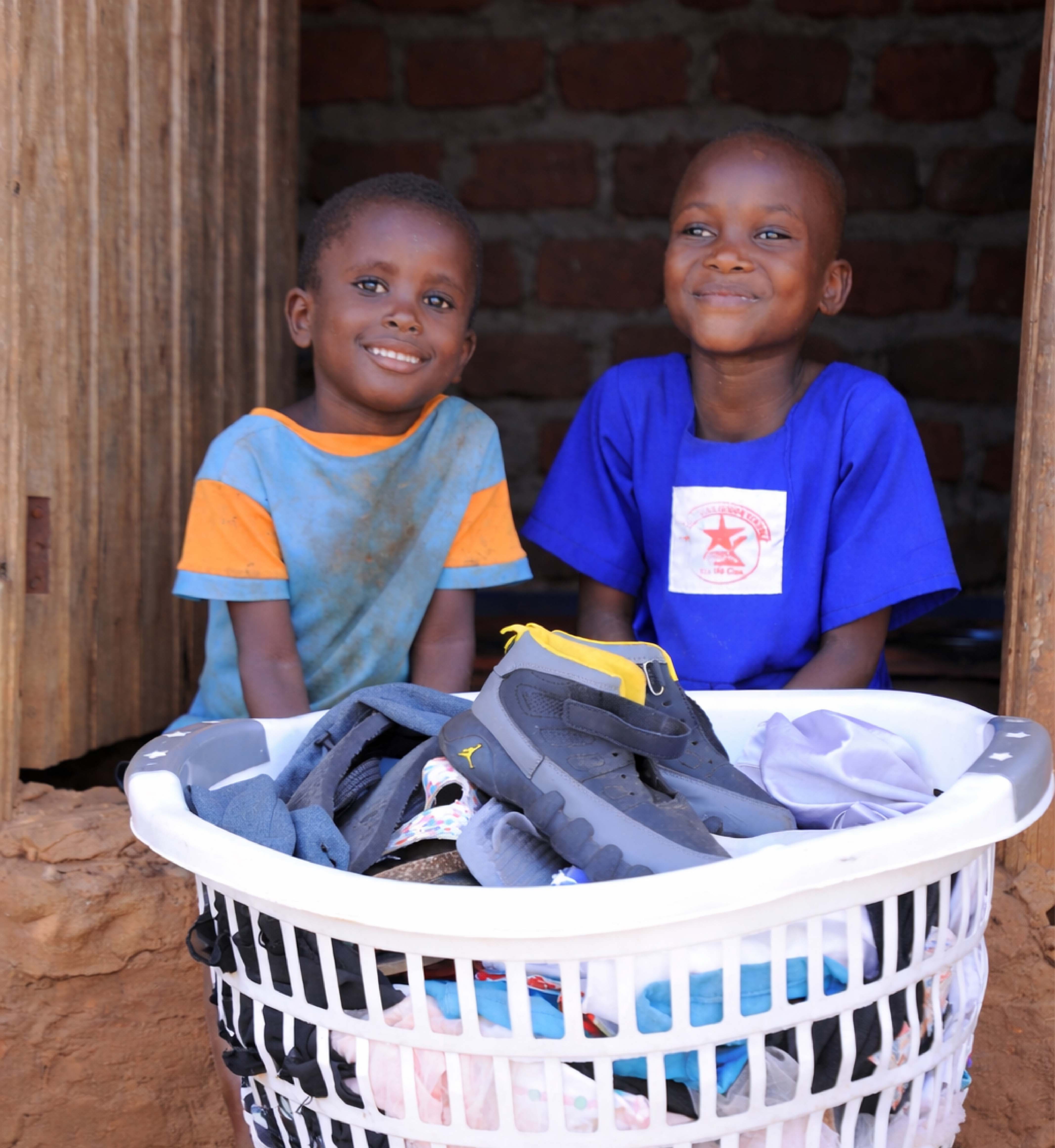
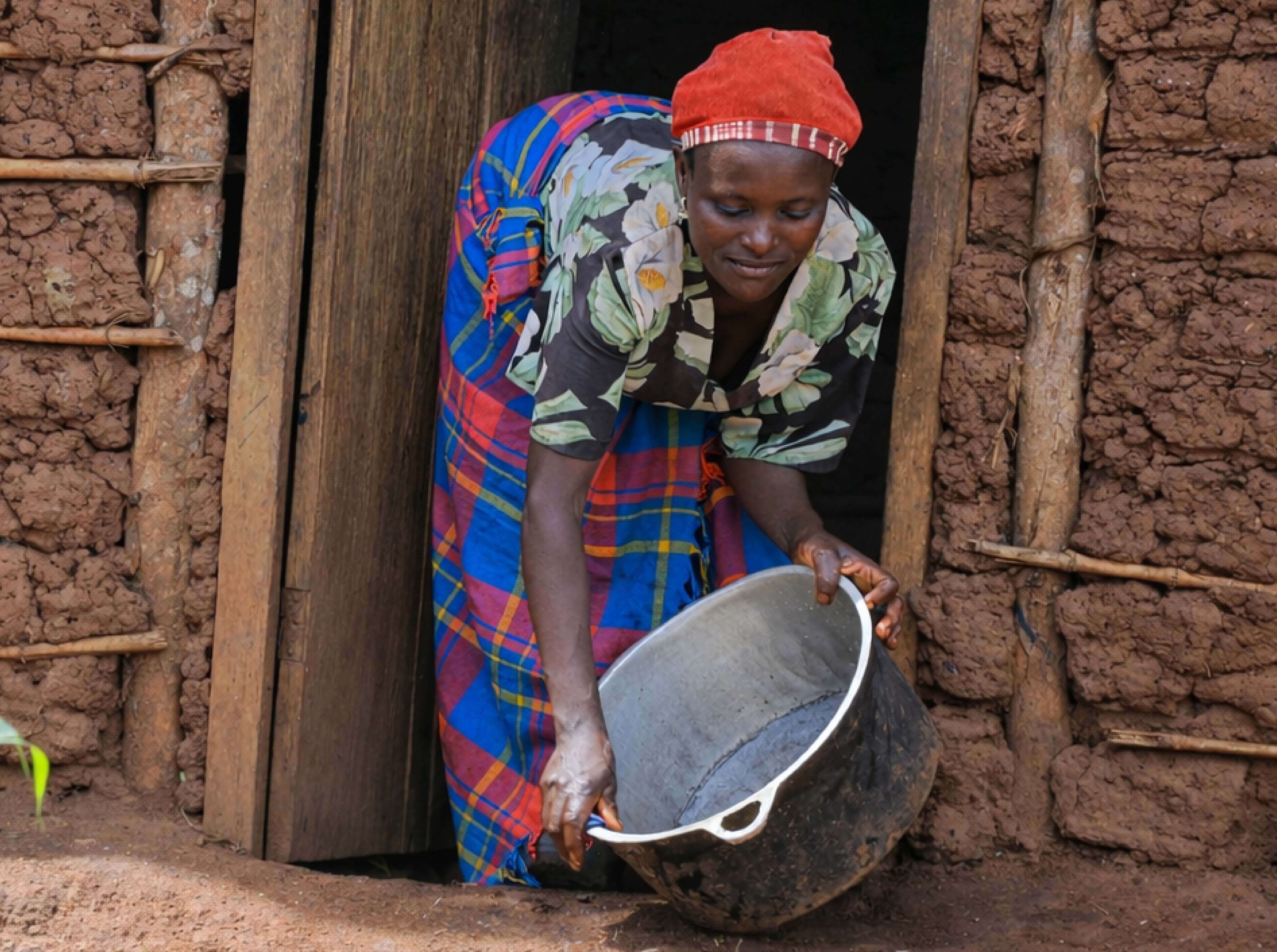
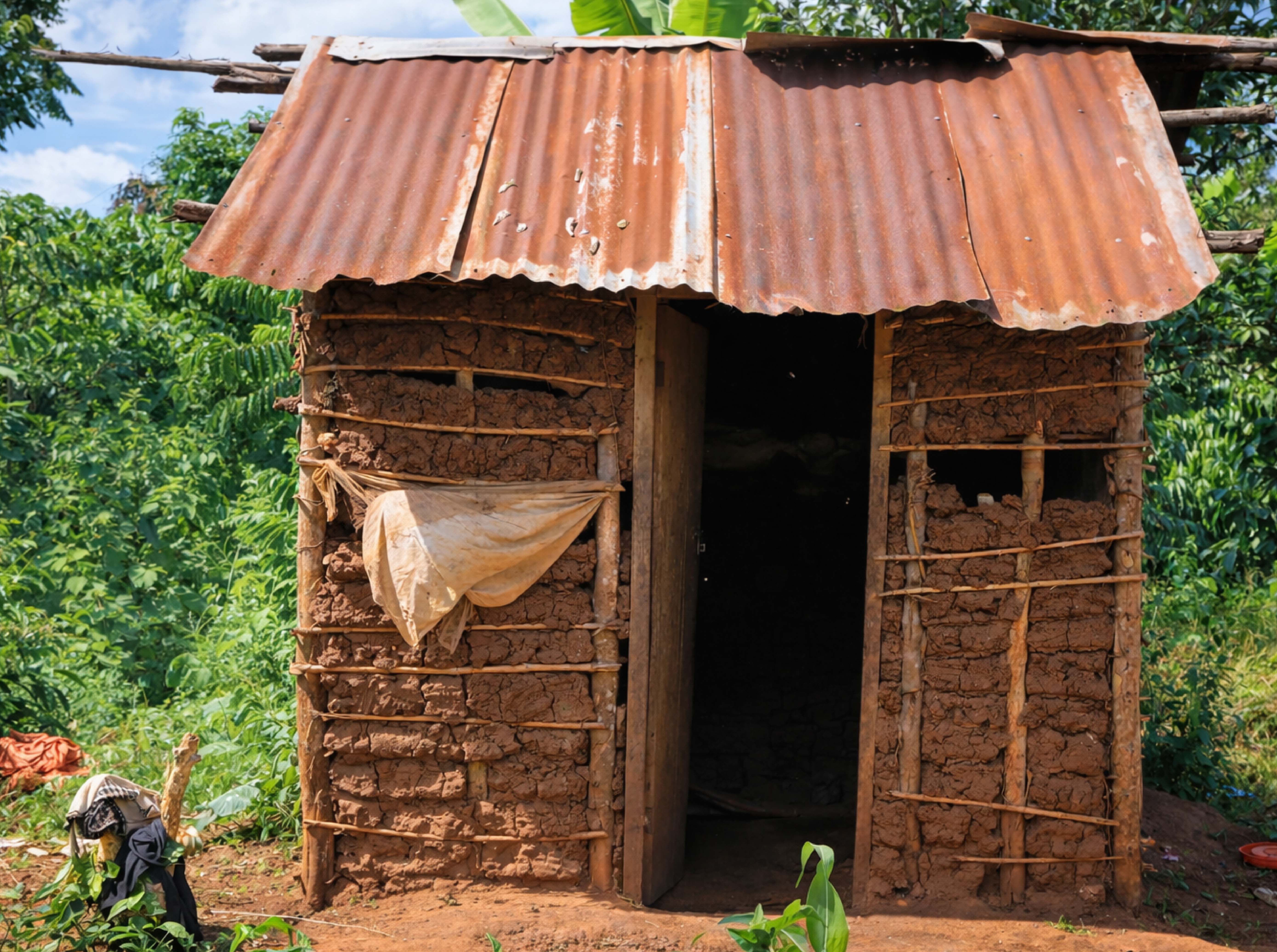
Families in Genda Village face overlapping hardships that reinforce poverty. Our community assessments reveal that 92% of households experience three or more vulnerability factors simultaneously, creating a cycle that is difficult to break without integrated support.
Poor nutrition affects 68% of households, leading to chronic food insecurity that stunts child development and weakens immune systems. At the same time, one in three children faces school dropout risk because families cannot afford fees, uniforms, or learning materials. Without education, these children remain trapped in poverty.
Economic instability is widespread, with most families surviving on less than $1.50 per day through irregular subsistence farming and informal labor. This financial pressure is compounded by emotional challenges reported by 74% of community members — unaddressed trauma, anxiety, and isolation that affect both parents and children.
Perhaps most critically, families lack access to clean water, proper sanitation, and basic learning materials — resources that most of us take for granted. These limitations make it nearly impossible for children to study effectively or for families to maintain basic hygiene and health.
These vulnerabilities do not exist in isolation. A child who is malnourished struggles to concentrate in school. A mother dealing with emotional trauma finds it harder to generate income. A family without clean water spends hours each day collecting it instead of working or studying. Each challenge reinforces the others, creating a dense web of poverty that single-fix solutions cannot untangle.